Professional Carpenter for Personalized Woodwork Solutions
An skilled carpenter plays a vital role in bespoke woodwork services. Their proficiency guarantees that projects are completed with accuracy and innovation. From custom cabinetry to distinctive shelving, these professionals convert ideas into functional pieces. Recognizing the characteristics that distinguish a skilled carpenter can greatly affect the outcome of a project. Understanding how to effectively work together and budget is just as important. What essential factors should one consider when initiating such a bespoke endeavor?
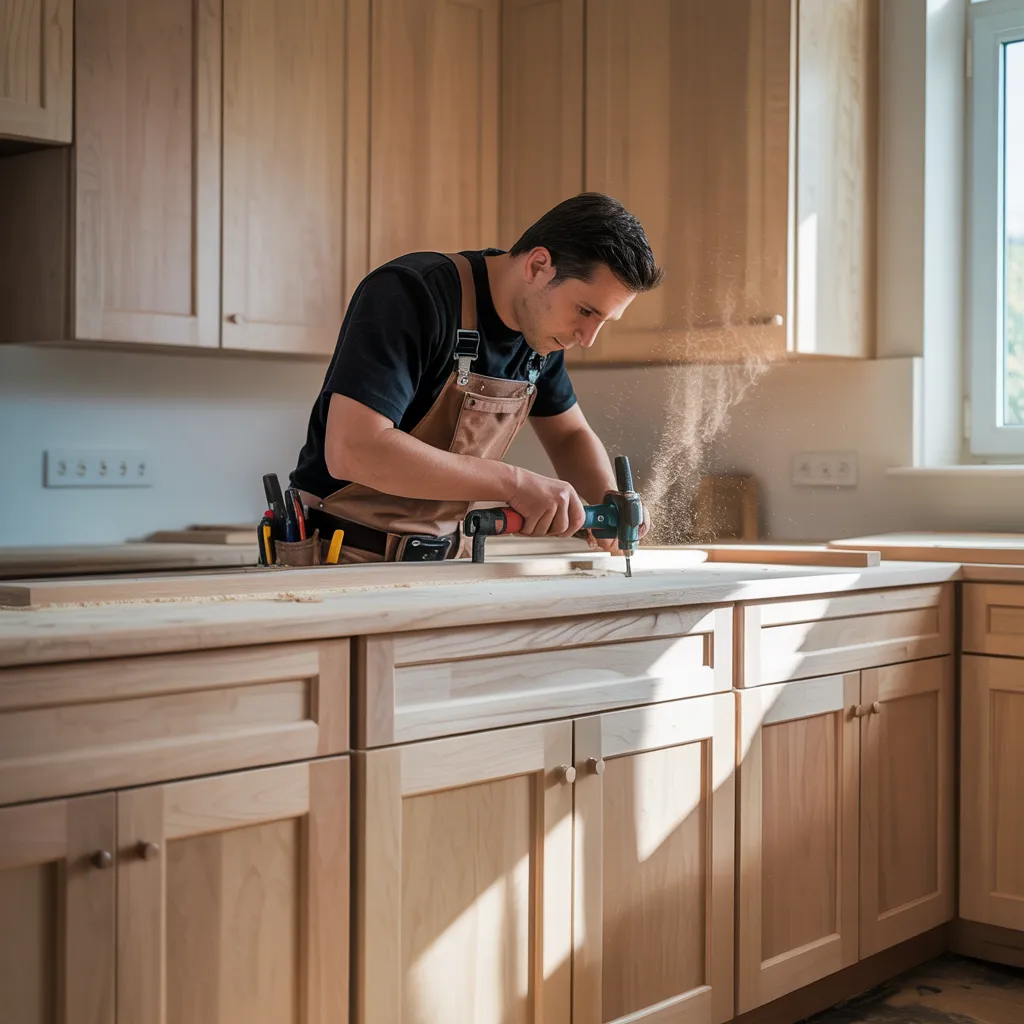
Why Select a Experienced Carpenter for Bespoke Woodwork?
Choosing a skilled carpenter for custom woodwork can greatly improve the standard and appearance of a project. Mastery in woodworking certifies that each item is crafted with exactness, careful focus, and a profound understanding of materials. Proficient craftsmen possess the necessary tools and techniques to turn ideas into functional designs, whether it be cabinetry, furniture, or decorative elements. Their experience allows them to anticipate challenges and provide creative solutions, resulting in a finished product that aligns with the client's vision. Moreover, a proficient carpenter can offer insights into wood types, finishes, and design styles, enriching the overall outcome. The investment in a skilled artisan often leads to superior craftsmanship that lasts, providing both beauty and durability. Ultimately, choosing a experienced carpenter is crucial for achieving top-notch custom woodwork that improves any space.
Browse Custom Woodwork Selections to Beautify Your Space
Custom woodwork choices offer an array of opportunities for improving any room, allowing homeowners to personalize their environments with distinctive designs. From bespoke cabinetry to detailed moldings, custom woodwork can convert ordinary rooms into extraordinary ones. customized solutions such as built-in shelves, decorative mantels, and custom furniture can maximize performance while adding visual appeal.
Homeowners can select from numerous wood types, finishes, and styles to design a consistent look that enhances their current decor. The adaptability of wood allows for both modern and classic designs, catering to varied tastes. Additionally, bespoke wood craftsmanship can address specific needs, such as maximizing storage in small spaces or creating distinctive centerpieces in larger areas.
Vital Properties to Locate in Your Carpenter
When starting a custom woodwork work, it is essential to discover a carpenter who has key qualities that ensure both quality craftsmanship and clear communication. Primarily, expertise is crucial; a seasoned carpenter brings useful skills and insights that can enhance the project. Careful precision is another key quality, as accuracy can greatly impact the final result. Furthermore, creativity is significant, allowing the carpenter to offer innovative solutions that align with the client's vision.
Reliability serves as a key factor; a dependable carpenter meets deadlines and maintains project timelines, ensuring a smooth workflow. Strong communication skills are essential, as they facilitate clear discussions about ideas, expectations, and potential challenges. Finally, a good carpenter should demonstrate a commitment to client contentment, prioritizing the client's needs and preferences throughout the project. By identifying these qualities, clients can secure a successful partnership and exceptional custom woodwork outcomes.
How Can You Successfully Team Up With Your Carpenter Concerning Creative Solutions?
Strong teamwork with a carpenter begins by openly discussing design visions. This honest communication supports a productive flow of ideas, where both parties can offer creatively. Appreciating the carpenter's expertise can produce innovative solutions that improve the overall project.
Present Your Concept
How can property owners ensure their design concepts are properly conveyed to their carpenter? Direct communication is crucial for successful collaboration. Homeowners should start by creating visual materials, such as sketches, images, or mood boards, to demonstrate their concepts. This assists close any differences between imagination and execution. Additionally, reviewing specific dimensions, materials, and finishes guarantees that anticipations align. Regular check-ins during the planning phase foster an transparent conversation, enabling for modifications and explanations as required. Homeowners should also be receptive to input, as carpenters often possess valuable insights from their experience. By establishing a collaborative atmosphere, homeowners can ensure their concept is not just communicated but also comprehended and brought to life successfully by their skilled carpenter.
Embrace Creative Input
Engaging a builder reveals architectural solutions that can strengthen any venture. Productive collaboration centers on genuine dialogue, where clients express their wishes and expectations while keeping an open mind to the carpenter's skill. Presenting preliminary sketches, concept boards, or visual inspiration can present important context, permitting the carpenter to appreciate the planned appearance and function.
Additionally, participating in brainstorming sessions stimulates a creative dialogue, where both parties can uncover unique ideas and alternatives. The carpenter's knowledge can generate practical suggestions that enhance the original vision, ensuring the final product is both beautiful and functional. Ultimately, accepting creative input transforms a simple project into a personalized masterpiece, displaying the distinct style and needs of the client.
Ways to Set aside money for Your Custom Woodwork Project?
What elements should one take into account when budgeting for a custom woodwork project? First, the selection of resources notably affects costs. Premium wood, hardware, and finishes can elevate the project's price. Second, the intricacy of the design should be assessed; detailed patterns or custom features demand more time and skill, which can raise labor costs.
Moreover, the scope of the project functions as an critical aspect; larger pieces by nature call for more components and effort. One must also remember potential ancillary expenses, such as certifications or installation fees.
Finally, integrating a buffer for unexpected costs guarantees the project remains within budget. By carefully evaluating these factors, one can create a practical financial plan that reflects both the quality desired and the limitations of available funds. Advance planning and consulting with a skilled carpenter can additionally help in improving the budget, enabling a successful custom woodwork project.
The Long-Term Benefits of Custom Woodwork Skilled Work
Committing to custom woodwork surpasses upfront spending, providing substantial long-term value that can enhance both design and utility in a space. Masterful workmanship pledges strength, often outlasting commercially produced substitutes. Individualized creations are structured to suit distinct requirements, optimizing space and advancing orderliness, which can lead to increased property value.
Furthermore, the distinctive nature of custom woodwork adds a personalized touch that elevates the overall ambiance of a residence or workplace. This bespoke quality often attracts purchasers and can help a property distinguish itself in the real estate market.
Additionally, custom woodwork facilitates the use of renewable materials, supporting eco-friendly living. Clients typically find that the expense proves valuable through reduced maintenance costs and the classic appeal of custom-made items. Fundamentally, custom woodwork is not simply a transaction; it's a commitment to quality and personal expression that can produce significant returns over time.
Commonly Requested Questions
What Styles of Wood Work Best for Made-to-Order Projects?
Hardwoods like oak, maple, and cherry work best for custom projects on account of their durability and pleasing looks. Softwoods such as pine and cedar continue to be in demand for their handleability and reasonable pricing throughout countless domains.
How Much Time Does a Custom Woodwork Job Typically Take?
A custom woodwork job usually expert guide requires anywhere from a few days to several weeks, based on complexity, materials, and craftsmanship required. Schedules may fluctuate significantly according to the particular demands of the work and the carpenter's workload.
Is it feasible to review instances of Your Past Work?
A portfolio exhibiting assorted works provides examples of previous endeavors. Interested parties can examine photographs and narratives that highlight craftsmanship and design, illustrating the range and quality of finished custom woodwork projects.
Do You Offer Warranties on Your Bespoke Woodwork?
Yes, coverages are offered on custom woodwork, assuring outstanding quality and sustained durability. This declaration demonstrates confidence in skilled creation, helping clients to feel protected in their outlay, understanding that any issues will be resolved promptly.
How Do You Process Changes During the Project?
During the project, modifications are managed through teamwork and honest discussion. The carpenter reviews adjustments alongside the client, ensuring all updates remain faithful to the original vision while accommodating any new requests or requirements with success.